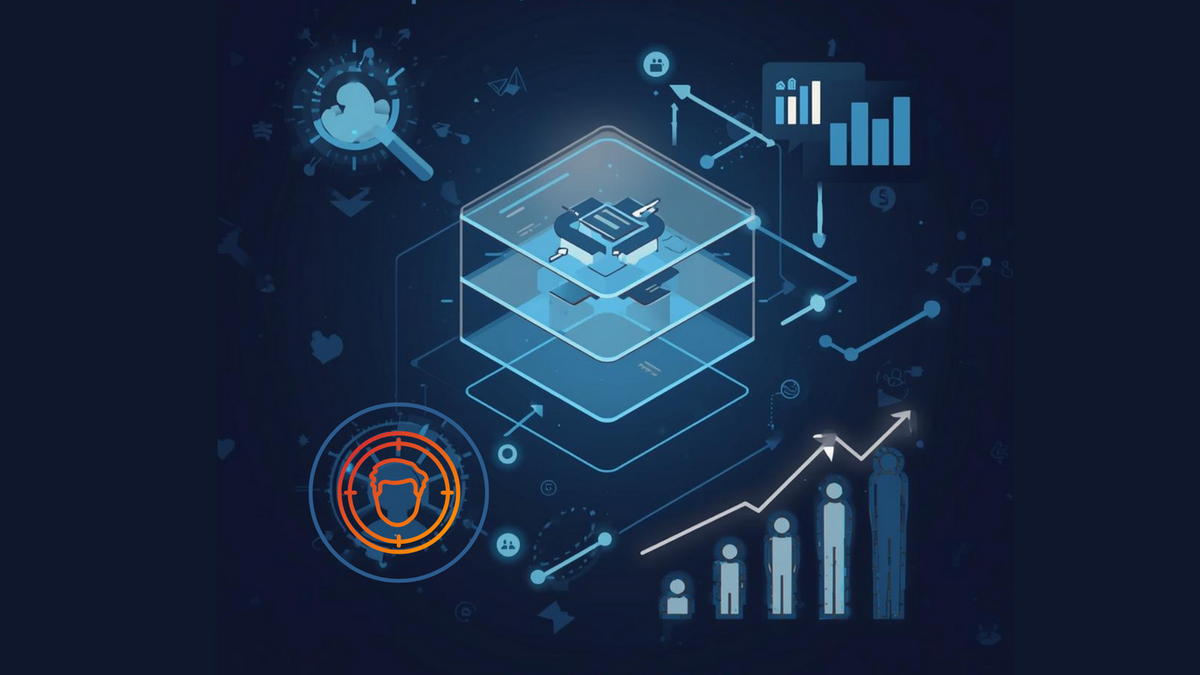
For two decades, enterprise software has been optimized for human intervention: manual workflows, tribal workarounds, and multi-layered approvals. This design was rational in a pre-AI world, but it is structurally incompatible with a future where machines must reason and execute in parallel.
When organizations force high-performance AI into architectures designed to protect humans from risk rather than enable machines to operate at speed, underperformance is not a possibility; it is a guarantee.
The Underperformance Trap
The current disappointment surrounding AI in the enterprise rarely stems from the technology itself. Instead, the failure mode is consistent: a high-performing model is embedded into a workflow designed to minimize blame rather than maximize throughput.
Consider a mid-sized manufacturer that integrates an AI forecasting tool into a supply chain still governed by Excel macros and institutional memory. Forecast accuracy may improve, but decision velocity does not. Inventory moves on "gut feel" because the approval layers remain unchanged. When the results stagnate, leadership often blames the AI for "bad predictions," when the reality is that the model surfaced truths faster than the organization could metabolize them.
The real problem? No one documented the tribal knowledge the AI needed to learn from.
Financial Reality vs. Technical Potential
We are seeing a trend where AI is cited as the reason for workforce reductions. In many cases, these layoffs are financial, not technical. AI provides convenient language for the memo, but the underlying motivation is margin protection.
Blaming AI for these shifts is a distraction from the deeper issue: misalignment. Early adopters often assumed AI was a plug and play solution, bolting it onto legacy systems and undocumented processes. These pilots eventually collide with the messiness that humans hide beneath spreadsheets and slide decks.
AI must ingest this chaos before it can outperform it. Misalignment is not proof that the technology is failing; it is proof that enterprise systems were not ready.
Unblocking the Path Forward
AI is currently following a classic trajectory: early hype followed by early disappointment. The second wave will belong to the organizations that stop trying to graft AI onto old processes and instead focus on rewriting how work is done.
To move with confidence, enterprises must bridge the gap between technology potential and organizational readiness. This requires:
- Redesigning systems for both machines and humans.
- Investing in the re-engineering of workflows.
- Converting undocumented tribal knowledge into accessible, governed data assets.
The stage is set for a transition from "vibe-based" implementation to systematic intelligence. Those who continue to blame the tool will remain stagnant. Those who fix the underlying system will lead the next era of finance.
Read the full thought leadership from Suvrat Bansal here.
Want to see Clarista on your data?
20-minute working demo: bring your messiest workflow, we'll build a working app on your data while you watch.
Book a demoFrequently asked questions
What is this article about?
Stop blaming the tech and start fixing the system. Discover why enterprise AI in finance requires a fundamental shift from manual workflows to scalable, decision-ready intelligence.
Who is Clarista and why does this matter?
Clarista is the enterprise AI app builder and data fabric that turns trapped enterprise knowledge into decision-ready intelligence, with the security, governance, and audit trail that real businesses need.
How do I get a demo of Clarista?
Visit /book-demo to schedule a 20-minute working session. Bring your messiest workflow and we will show how Clarista works on your data.