Industry News
AI investments deliver an average 180% ROI across deployed applications
New financial-sector benchmarks show deployed AI applications averaging 180% return on investment, with top performers above 300% on high-value workflows like fraud detection and compliance automation. Mature AI fraud systems are cutting false-positive alerts by up to 60%.
Advanced adopters drive profitability gains and operating-model shifts
The 2026 Global AI in Financial Services Report finds 81% of financial firms have adopted AI at some level. Among organizations investing in core data infrastructure and workforce readiness, 62% report increased profitability, with a 26% average cost reduction and 27% revenue lift in optimized workflows.
The rise of sovereign AI partnerships for trusted data delivery
Market-intelligence providers are partnering directly with sovereign enterprise AI platforms, such as S&P Global's integration with Cohere, to deliver benchmarks into secure, on-premises AI environments: verifiable, citation-backed intelligence for agentic workflows without data leakage or hallucinated metrics.
Clarista wins Newcomer/Startup at WealthBriefingAsia 2026
This recognition highlights our commitment to helping regional wealth managers and private banks secure, govern, and scale their data infrastructure.
Product: governing enterprise vibe coding
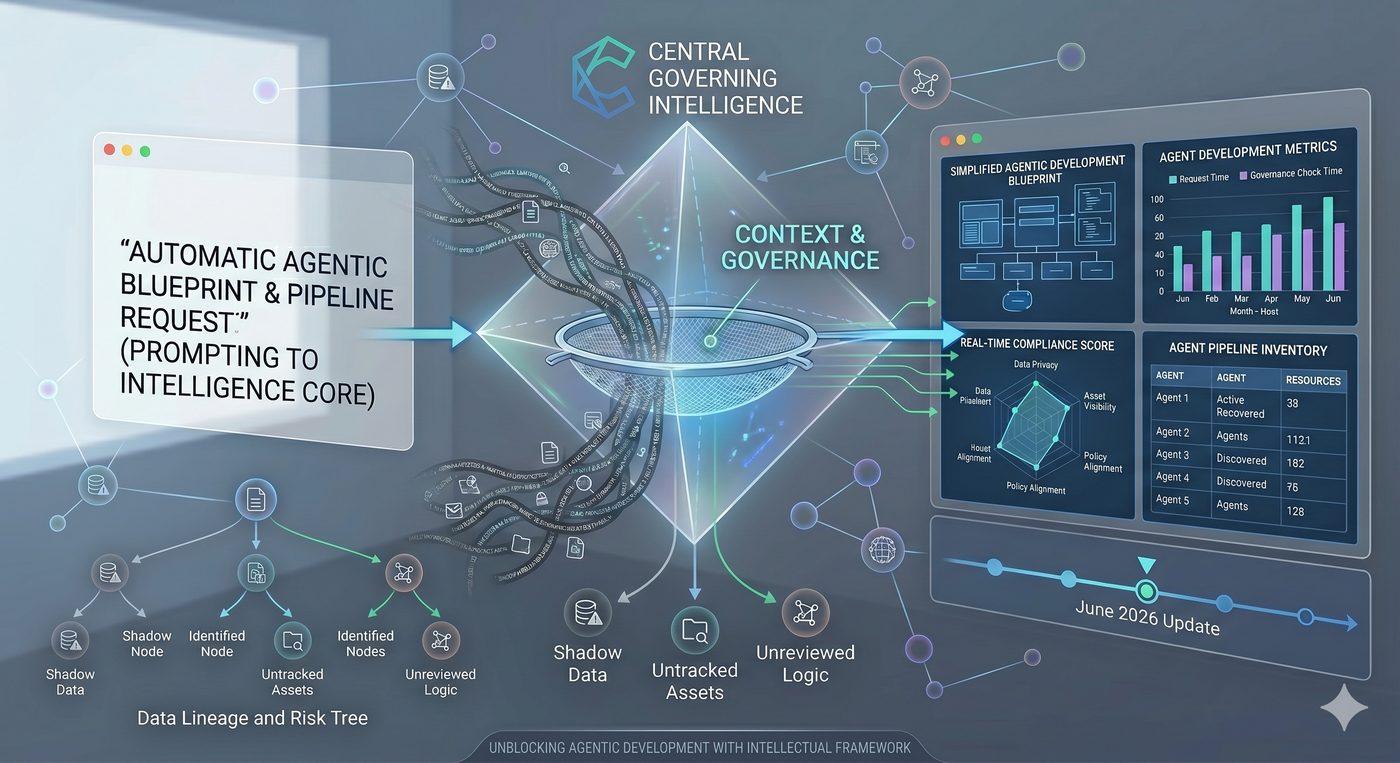
Vibe coding, using natural-language prompts to let agents build software, creates prototypes in minutes. It also creates a data blind spot: assets, architectural context, and provenance go untracked. The June update introduces capabilities to discover, track, and govern the intelligence inside vibe-coded applications.
The risk of purely agentic workflows
- Shadow data: agents generate custom databases and API endpoints on the fly, hiding where enterprise information lives.
- The context gap: natural-language dashboards bury calculations in unreviewed scripts.
- Traceability fails: when an agentic app drifts, tracing original logic becomes a manual bottleneck.
Clarista's real-time guardrails
- Automated asset discovery: new databases and unmapped pipelines created by agents are parsed and catalogued in real time.
- Real-time governance: data flows are mapped against corporate policies, catching compliance risks before deployment.
- Explainable output: machine-generated environments are translated back into clear business context, auditable end to end.
Clarista insights
AI data governance for financial services: a 2026 framework. Moving beyond manual checklists to real-time data lineage creates a secure foundation for autonomous workflows, the model behind our AI Data Fabric.
Escaping the integration trap. Legacy integration pipelines create brittle dependencies that stall AI adoption; a platform-agnostic data layer decouples reasoning from underlying origins.
Clarista chats
AI governance moves from intent to record. Suvrat Bansal breaks down the new Financial Services AI Risk Management Framework: compliance now requires unalterable proof of data lineage, not policy checklists.
Beyond the hype. Treating AI as a standalone tool stalls data and cloud strategy; the platform-agnostic AERO architecture helps financial firms realize ROI within 90 days.
Building agentic workflows on a unified data spine. Reliable agents cannot operate on fragmented systems; winning firms unify unstructured documents and structured tools into one coherent data layer.
Clarista sightings
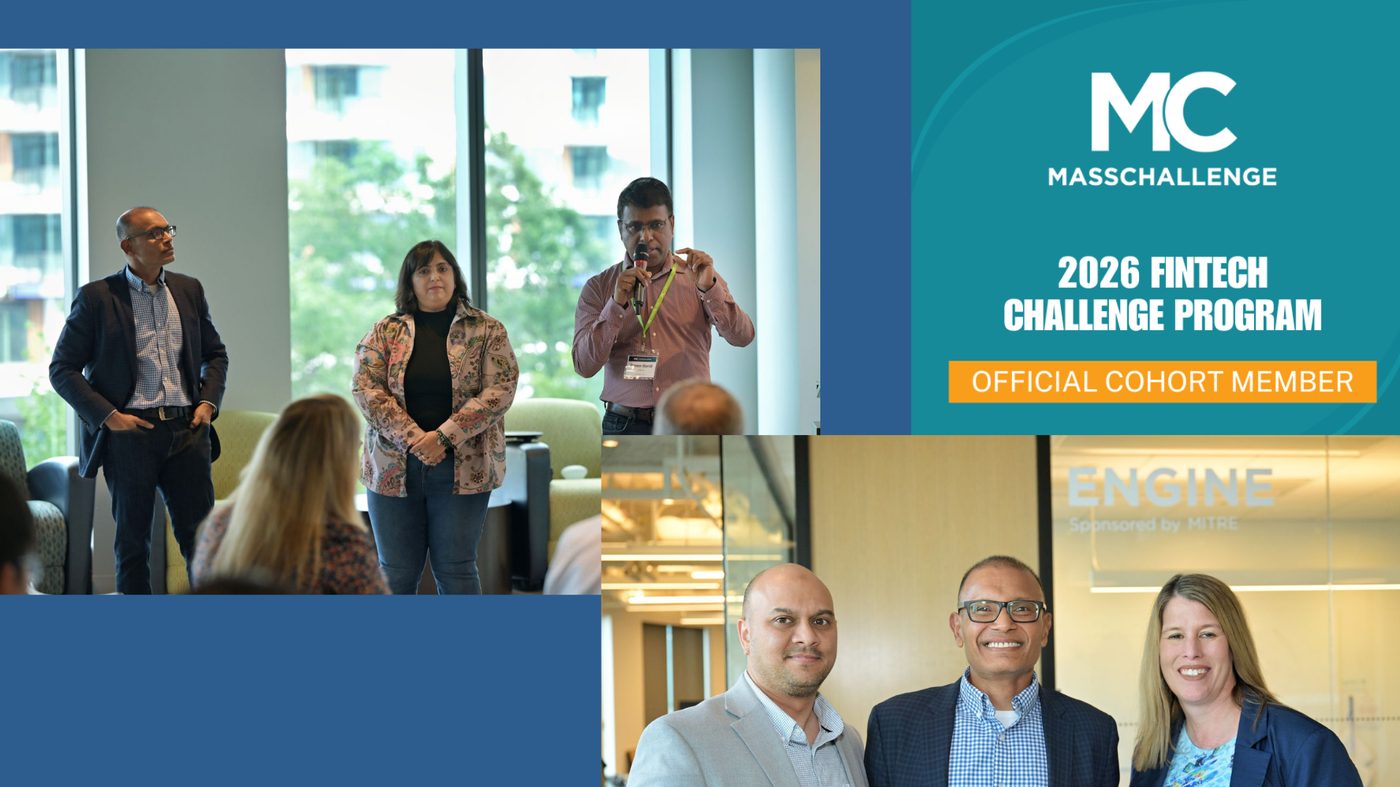
Clarista capped off its participation in the MassChallenge accelerator, delivering its final pitch after months of mentorship and corporate matchmaking.
One email a month: industry news, white papers, product updates, and stories from the field.
Subscribe to the Knowledge Loop